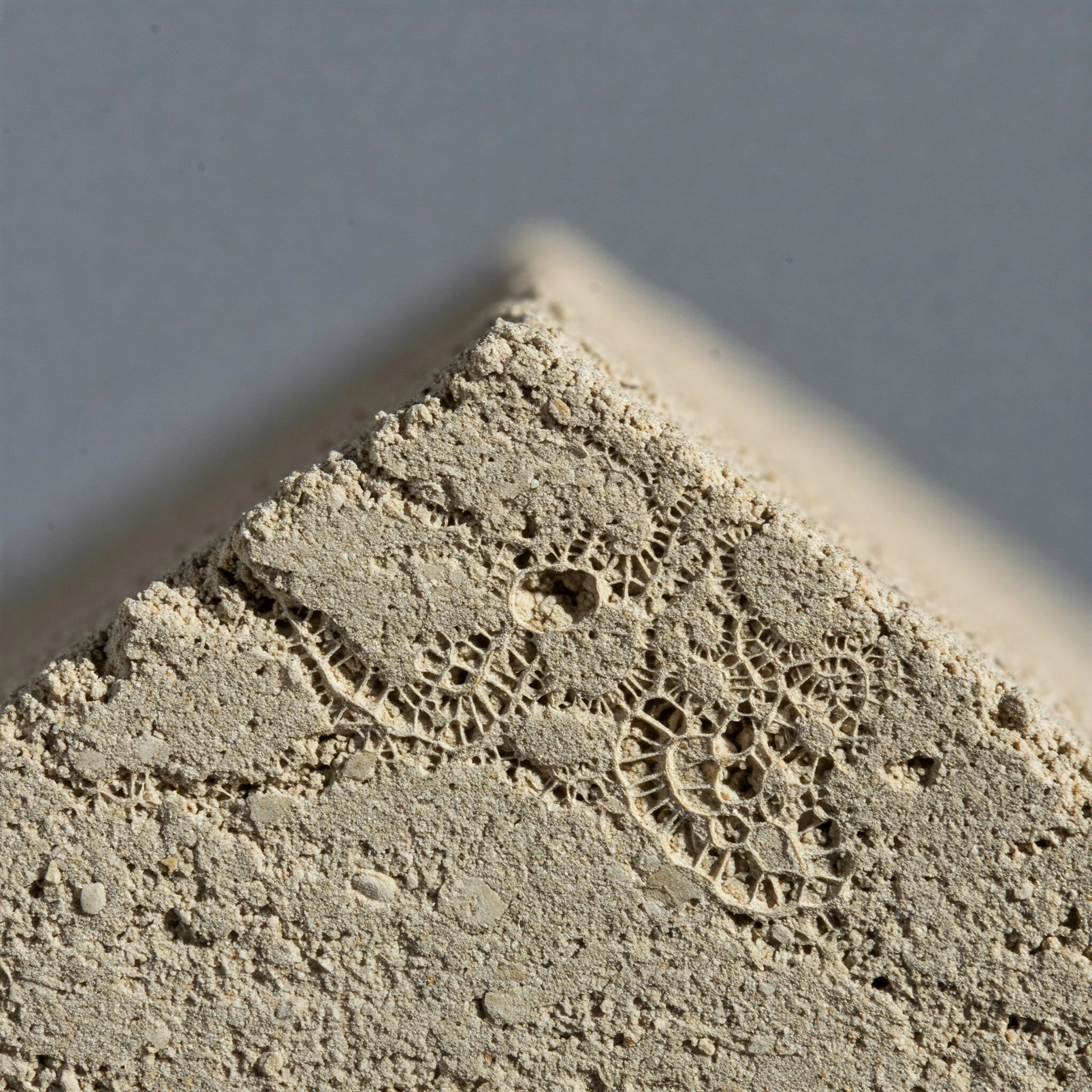
Referencias
[1] Losic, D., et al. (2009). "Diatomaceous earths, a group of natural insecticides". Journal of Stored Products Research, 45(2), 89-97.
[2] U.S. Environmental Protection Agency (EPA). (2013). "Silicon Dioxide (Amorphous) – Chemical Safety Summary". EPA Report No. 738-R-13-002.
[3] Gubaidullin, A., et al. (2017). "Purification methods of diatomite for medical and food-grade applications". Materials Science and Engineering: C, 75, 884-891.
[4] Aw, M.S., et al. (2012). "Porous silica microshells from diatoms as biocarrier for drug delivery applications". Powder Technology, 223, 52-58.
[5] Velez, M.A., et al. (2020). "Adsorptive properties of diatomaceous earth for heavy metals and pathogens in vitro". Journal of Functional Foods, 64, 103692.
[6] Tormena, R.P., et al. (2018). "Diatomaceous earth as a mechanical laxative in animal models". Journal of Animal Physiology and Animal Nutrition, 102(1), e237-e245.
[7] Jugdaohsingh, R., et al. (2013). "Dietary silicon intake and absorption in post-menopausal women". British Journal of Nutrition, 110(5), 873-881.
[8] Barel, A., et al. (2005). "Effect of oral intake of choline-stabilized orthosilicic acid on skin, nails and hair in women with photodamaged skin". Archives of Dermatological Research, 297(4), 147-153.
[9] Fruijtier-Pölloth, C. (2012). "The safety of nanostructured synthetic amorphous silica (SAS) as a food additive". Regulatory Toxicology and Pharmacology, 63(1), 23-34.
[10] Al Omari, M.M., et al. (2019). "Antidiabetic and hypolipidemic effects of diatomaceous earth in a rat model of type 2 diabetes". Journal of Ethnopharmacology, 244, 112122.
[11] European Food Safety Authority (EFSA). (2018). "Safety of diatomaceous earth as a food additive". EFSA Journal, 16(7), e05350.
[12] National Center for Biotechnology Information (NCBI). (2021). "Potential drug interactions with mineral-based supplements". PubChem Compound Summary: Silicon Dioxide.
[13] Occupational Safety and Health Administration (OSHA). (2019). "Crystalline silica exposure in industrial settings". OSHA Standard 1910.1053.
[14] World Health Organization (WHO). (2017). "Guidelines for safe use of silica-based materials". WHO Technical Report Series, No. 1002.
Comentarios