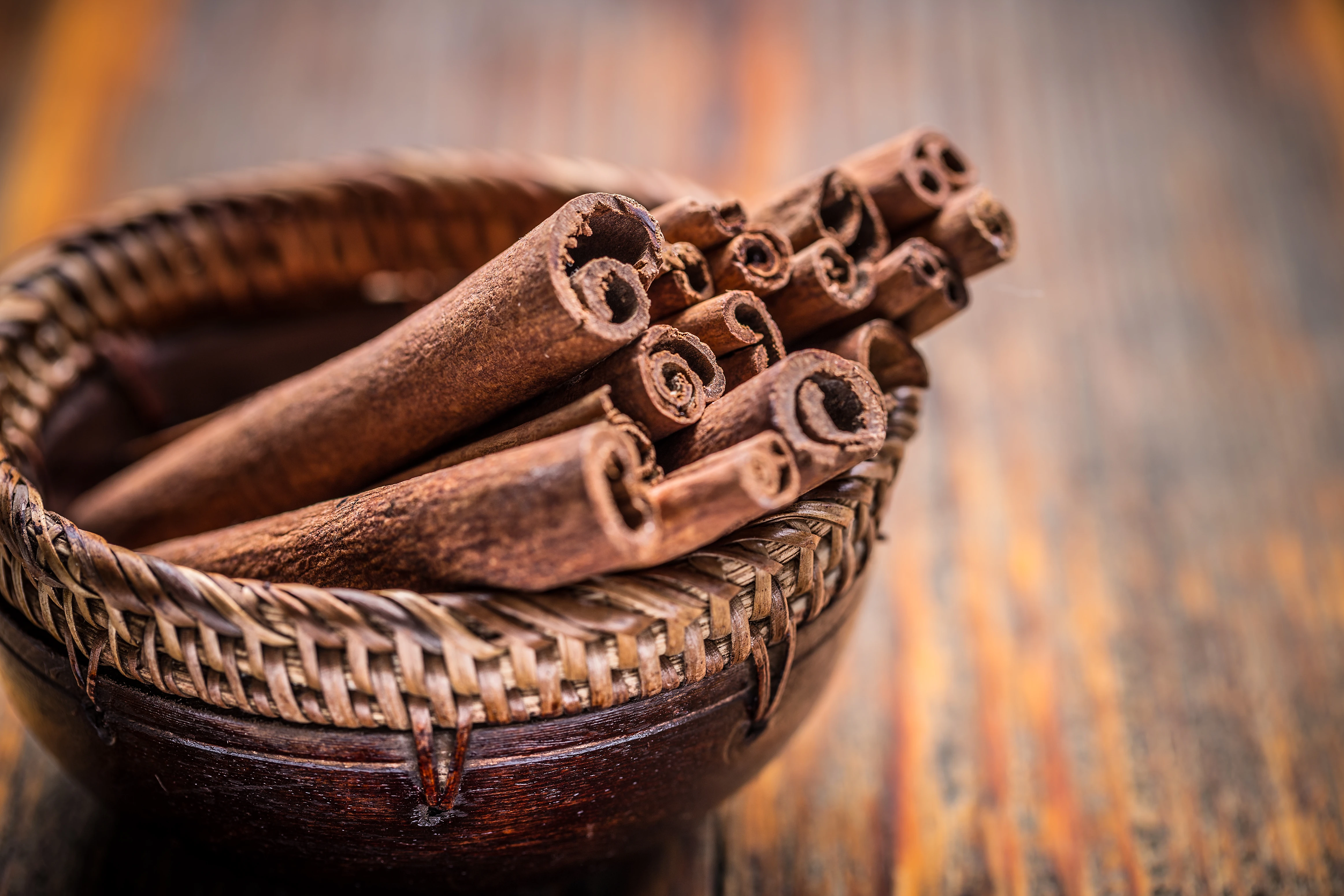
[1] Rao, P. V., & Gan, S. H. (2014). Cinnamon: A Multifaceted Medicinal Plant. Evidence-Based Complementary and Alternative Medicine, 642942.
[2] Gruenwald, J., Freder, J., & Armbruester, N. (2010). Cinnamon and Health. Critical Reviews in Food Science and Nutrition, 50(9), 822-834.
[3] Ranasinghe, P., Pigera, S., Premakumara, G. A. S., Galappaththy, P., Constantine, G. R., & Katulanda, P. (2013). Medicinal properties of ‘true’ cinnamon (Cinnamomum zeylanicum): a systematic review. BMC Complementary and Alternative Medicine, 13, 275.
[4] European Food Safety Authority (EFSA). (2008). Coumarin in flavourings and other food ingredients with flavouring properties. EFSA Journal, 6(10), 793.
[5] Kwon, H. K., et al. (2011). Cinnamon extract suppresses tumor progression by modulating angiogenesis and the effector function of CD8+ T cells. Cancer Letters, 311(1), 94-102.
[6] Tung, Y. T., Chua, M. T., Wang, S. Y., & Chang, S. T. (2008). Anti-inflammation activities of essential oil and extracts from Cinnamomum osmophloeum bark. Food Chemistry, 119(3), 681-685.
[7] Hlebowicz, J., Darwiche, G., Björgell, O., & Almér, L. O. (2007). Effect of cinnamon on postprandial blood glucose, gastric emptying, and satiety in healthy subjects. American Journal of Clinical Nutrition, 85(6), 1552-1556.
[8] National Center for Complementary and Integrative Health (NCCIH). (2020). “Cinnamon.” Disponible en: https://www.nccih.nih.gov (Consulta: 20 de febrero de 2025).
[9] Lad, Vasant. (1990). Ayurveda: The Science of Self-Healing. Lotus Press.
[10] Bensky, D., Clavey, S., & Stöger, E. (2004). Chinese Herbal Medicine: Materia Medica. 3rd Ed. Eastland Press.
Comentarios